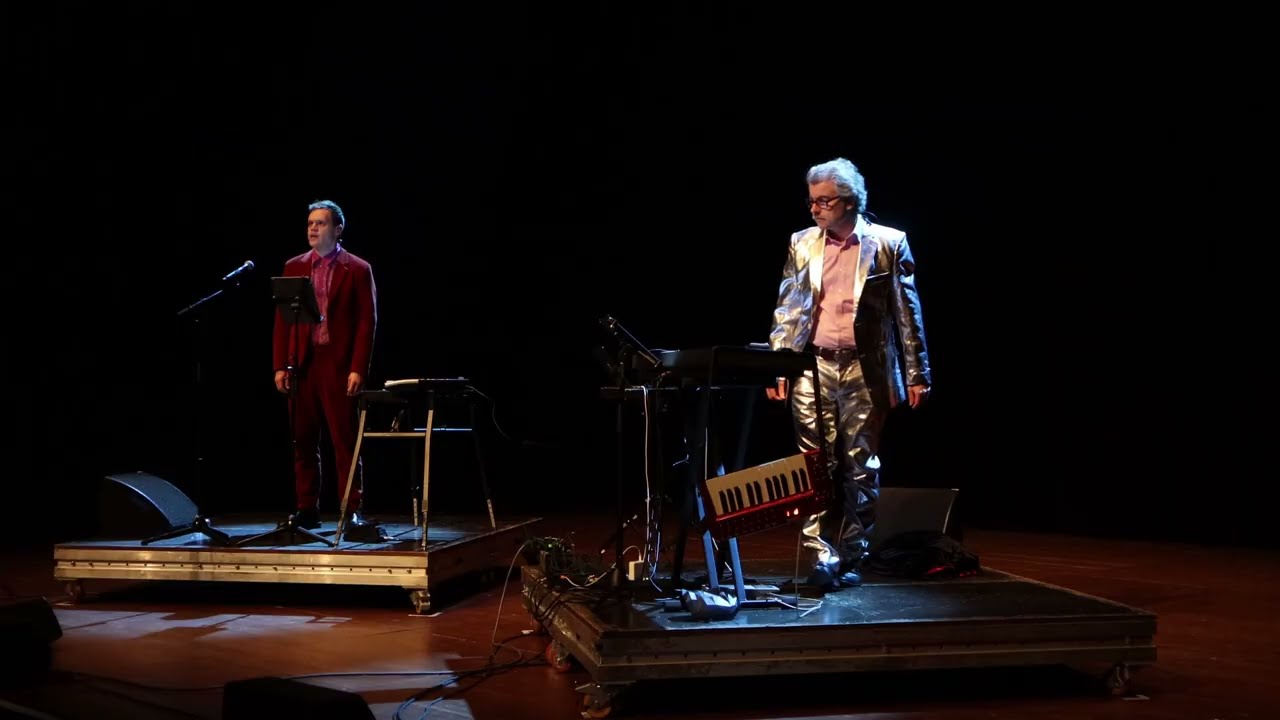
History is a nightmare from which I am trying to awake juxtaposes real dreams from Nazi Germany, as transcribed by Charlotte Beradt, with the imagined nightmare of the 1975 nazisploitation film Ilsa – She-Wolf of the SS. In the movie, Ilsa, the busty comandante of an imaginary ‘medical camp’, castrates any man who fails to please her inextinguishable desire.
Ilsa is a reactionary male fantasy, and in a perverted – yet somewhat funny – way displaying male anxieties about the emancipated woman. The film says more about the backlash to the women’s movement of the 1970s than about real Nazism – Ilsa is the threatening woman, the castrating female emancipation – she is literally the ‘feminazi’. Ilsa is the woman controlled by her desire, which is ultimately inferior to male desire, as is shown when copulating with the ever-hard American named Wolf, who literally f–s her to death. She is, in Klaus Theweleit’s words, the ‘erotic woman, nature turned upside down’, and in this respect a nightmare the Nazis could have had – except that she herself is portrayed as a Nazi.
The aim of my admittedly provocative juxtaposition of Ilsa with real dreams of non-persecuted women from Nazi Germany is not to level real atrocities with absurd fake ones, nor to support reactionary stances.
Rather, I am constructing a dialogue between a fake male nightmare and real female dreams from a living nightmare. To investigate how the erotic, desire and power interact, and how imaginations of fascism can be used to harness ideologies, in good and bad ways. With the title and last sentence of the piece, taken from a passage in Joyce’s Ulysses, in which anti-semitism is discussed, I wish to frame the piece in a broader context of historicity, and to hint at the possibility of nightmares returning once again from the realm of imagination.
History is a nightmare from which I am trying to awake stellt reale Träume aus dem nationalsozialistischen Deutschland, wie sie Charlotte Beradt aufgezeichnet hat, dem imaginierten Albtraum des Nazisploitation-Films Ilsa – She-Wolf of the SS von 1975 gegenüber. Im Film kastriert Ilsa, die vollbusige Kommandantin eines imaginären „Krankenlagers“, jeden Mann, der ihr unstillbares Verlangen nicht zu befriedigen vermag.
Ilsa ist eine reaktionäre männliche Fantasie und zeigt auf eine perverse – aber durchaus komische – Weise männliche Ängste vor der emanzipierten Frau. Der Film sagt mehr über den Backlash gegen die Frauenbewegung der 1970er Jahre aus als über den realen Nationalsozialismus – Ilsa ist die bedrohliche Frau, die kastrierende weibliche Emanzipation – sie ist buchstäblich die „Feminazi“. Ilsa ist die Frau, die von ihrem Verlangen beherrscht wird, das dem männlichen Verlangen letztlich unterlegen ist, wie sich zeigt, als sie mit dem stets erigierten Amerikaner namens Wolf kopuliert, der sie buchstäblich zu Tode f–t. Sie ist, in den Worten von Klaus Theweleit, „lebendige verkehrte Natur“, und in dieser Hinsicht ein Albtraum, den die Nazis hätten haben können – nur dass sie selbst als Nazi dargestellt wird.
Meine zugegebenermaßen provokante Gegenüberstellung von Ilsa mit realen Träumen nicht verfolgter Frauen aus dem nationalsozialistischen Deutschland zielt weder darauf ab, reale Gräueltaten mit absurden, erfundenen gleichzusetzen, noch darauf, reaktionäre Haltungen zu unterstützen.
Vielmehr konstruiere ich einen Dialog zwischen einem fiktiven männlichen Albtraum und realen weiblichen Träumen aus einem gelebten Albtraum. Um zu untersuchen, wie Erotik, Begehren und Macht zusammenwirken, und wie Imaginationen des Faschismus genutzt werden können, um Ideologien zu transportieren – im Guten wie im Schlechten. Mit dem Titel und dem letzten Satz des Stücks, entnommen einer Passage aus Joyces Ulysses, in der Antisemitismus verhandelt wird, möchte ich das Stück in einen größeren historischen Kontext einordnen und auf die Möglichkeit hindeuten, dass Albträume erneut aus dem Reich der Imagination zurückkehren können.